
Embarking on a journey to revamp the exterior of your home involves crucial decisions, with selecting the right contractor being paramount. In this guide, we delve into the essential steps and considerations necessary to ensure a successful remodeling project that transforms your space.
Researching Contractors
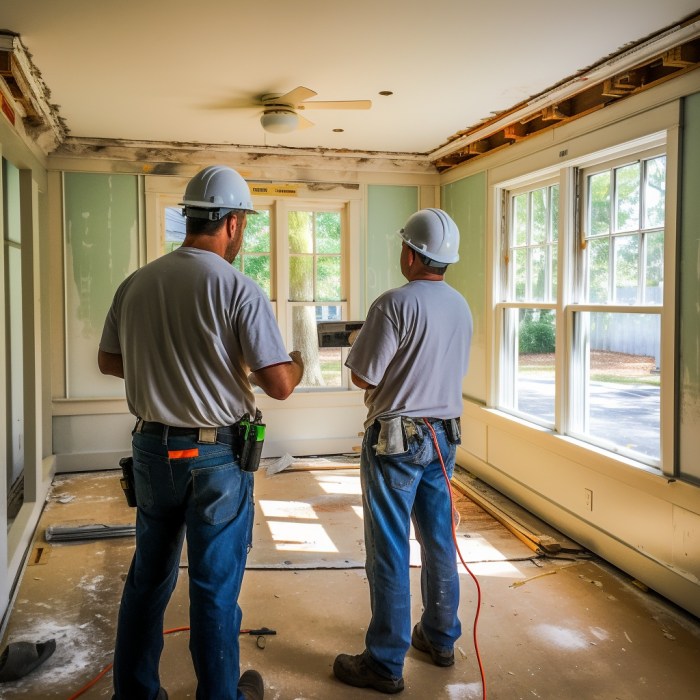
When embarking on an exterior remodeling project, it is crucial to thoroughly research potential contractors to ensure you choose the right one for the job. Here are some key factors to consider and tips on where to find reliable contractor reviews.
Factors to Consider When Researching Contractors
- Experience: Look for contractors with experience in exterior remodeling projects similar to yours.
- Reputation: Check online reviews, testimonials, and ratings to gauge the reputation of the contractor.
- Licenses and Insurance: Ensure the contractor is properly licensed and insured to protect yourself from liability.
- Communication: Pay attention to how the contractor communicates and responds to your inquiries.
- Cost: Obtain multiple quotes and compare pricing to ensure you are getting a fair deal.
Where to Find Reliable Contractor Reviews
- Online Platforms: Websites like Angie’s List, Yelp, and Google Reviews provide valuable feedback from previous clients.
- References: Ask the contractor for references from past projects to get direct feedback from their clients.
- Local Community: Seek recommendations from friends, family, and neighbors who have worked with contractors in the past.
Checking Credentials
When choosing a contractor for exterior remodeling, it is crucial to check their credentials to ensure they are qualified and trustworthy. Verifying a contractor’s credentials can help you avoid potential issues and ensure that the work is done correctly and professionally.
Important Credentials to Look For:
- License: A valid contractor’s license indicates that the contractor has met the necessary requirements and standards set by the state or local authorities. It shows that they are legally allowed to perform the work.
- Insurance: Look for contractors who have liability insurance and workers’ compensation coverage. This protects you from being held liable for any accidents or damages that may occur during the project.
- References: Ask for references from past clients and check online reviews to get an idea of the contractor’s reputation and quality of work.
- Experience: Consider the contractor’s experience in exterior remodeling projects similar to yours. A more experienced contractor is likely to handle challenges better and deliver high-quality results.
Verifying License and Insurance:
Before hiring a contractor, ask to see their license and insurance certificates. You can also verify this information by contacting the issuing authority or checking online databases. Make sure the license is current and covers the type of work you need.
Additionally, confirm that the insurance policies are valid and provide adequate coverage for your project.
Estimating Costs
When it comes to exterior remodeling projects, obtaining accurate cost estimates from contractors is essential to stay within budget and avoid any surprises down the line.
Comparing multiple quotes from different contractors is crucial in ensuring that you are getting a fair price for the work that needs to be done. This not only helps you understand the average cost of the project but also allows you to evaluate the scope of work each contractor is proposing.
Avoiding Hidden Costs
- Ask for a detailed breakdown of the estimate: Make sure that the contractor provides a comprehensive breakdown of the costs involved in the project. This should include materials, labor, permits, and any additional fees.
- Clarify the scope of work: Clearly define what is included in the estimate and what is not. This will help prevent any misunderstandings about what is covered in the initial cost.
- Beware of lowball estimates: While a low estimate may seem attractive, it could be a red flag for hidden costs or subpar work. Always be cautious of quotes that are significantly lower than others.
- Get everything in writing: Ensure that all aspects of the estimate, including timelines, payment schedules, and warranties, are documented in a written contract to avoid any discrepancies in the future.
Reviewing Past Work
When choosing a contractor for your exterior remodeling project, reviewing their past work is crucial to ensure quality and satisfaction with the end result.
Methods for Evaluating Past Projects
- Visit previous project sites in person to see the quality of work firsthand.
- Request before and after photos of completed projects to assess the transformation.
- Read online reviews and testimonials from past clients to gauge their satisfaction.
- Ask the contractor for a portfolio showcasing a variety of project types and styles.
Requesting and Checking References
- Ask the contractor for a list of references and contact them to inquire about their experience.
- Questions to ask references include the timeline of the project, communication with the contractor, and overall satisfaction with the results.
- Verify the contractor’s work history by checking with previous clients about the quality of workmanship and adherence to deadlines.
Communication and Timeline

Effective communication and setting clear timelines with contractors are crucial aspects of a successful exterior remodeling project. This ensures that everyone involved is on the same page and helps in avoiding misunderstandings or delays. Here are some strategies and tips to consider:
Clear Communication Strategies
- Establish a primary point of contact: Designate one person from your side to communicate with the contractor to streamline the process and avoid confusion.
- Use written communication: Email or texts can serve as a record of discussions, agreements, and changes, providing clarity and accountability.
- Schedule regular check-ins: Set up regular meetings or calls to discuss progress, address any concerns, and make necessary adjustments.
- Be open to feedback: Encourage open communication from both sides to ensure that any issues can be resolved promptly.
Setting Realistic Timelines
Establishing a realistic timeline for the remodeling work is essential to manage expectations and ensure the project stays on track. Here are some tips to help you set achievable deadlines:
- Evaluate the scope of work: Break down the project into smaller tasks and estimate the time needed for each step.
- Consider external factors: Account for potential delays due to weather conditions, material availability, or unexpected challenges.
- Consult with the contractor: Discuss the proposed timeline with the contractor to ensure it aligns with their schedule and resources.
- Add buffer time: Include extra time in the schedule for unforeseen circumstances or additional work that may arise during the project.
Contract and Legal Considerations
When it comes to any remodeling project, having a clear and detailed contract with your contractor is essential. This contract serves as a legally binding agreement that Artikels the scope of work, timeline, costs, and other important details of the project.
It is crucial to understand the key elements that should be included in this contract to protect both parties involved.
Key Elements in a Contract
- Scope of work: Clearly define the specific tasks and responsibilities of the contractor, including materials to be used and any permits required.
- Timeline: Set a realistic timeline for the project, including start and end dates, as well as milestones for progress payments.
- Pricing and Payment Schedule: Artikel the total cost of the project, payment schedule, and any penalties for delays or changes to the original plan.
- Warranties and Guarantees: Include any warranties on materials and workmanship, as well as guarantees for the quality of work.
Importance of Legal Considerations
Having a thorough understanding of legal considerations before hiring a contractor is crucial to protect yourself from any potential disputes or issues that may arise during the project. This includes knowing your rights as a homeowner, understanding local building codes and regulations, and ensuring that the contractor is licensed and insured.
Significance of a Written Agreement
Having a written agreement in place for the remodeling project is important for several reasons. It provides a clear reference point for both parties to refer to throughout the project, helps prevent misunderstandings or disputes, and ensures that all terms and conditions are documented and agreed upon.
In the event of any issues or disagreements, a written contract can serve as evidence of the agreed-upon terms and protect both parties legally.
Ultimate Conclusion
As we conclude our discussion on Choosing the Right Contractor for Exterior Remodeling, remember that meticulous research, thorough vetting, and clear communication are the pillars of a seamless renovation experience. By following these guidelines, you’re well-equipped to embark on your remodeling journey with confidence and peace of mind.
Popular Questions
What should I consider when researching potential contractors?
When researching contractors, consider their experience, reputation, and portfolio of past projects to gauge their suitability for your remodeling needs.
How can I verify a contractor’s credentials?
You can verify a contractor’s credentials by checking their license, insurance, certifications, and affiliations with industry organizations.
Why is it important to compare multiple quotes for cost estimation?
Comparing multiple quotes helps you understand the range of costs involved, ensuring you make an informed decision based on competitive pricing and services offered.
What are key elements that should be included in a contract with a contractor?
Key elements in a contract include project scope, timeline, payment schedule, materials to be used, warranties, and dispute resolution mechanisms.
How can I establish a realistic timeline for the remodeling work?
To establish a realistic timeline, communicate clearly with the contractor, factor in potential delays, and ensure milestones are set for different phases of the project.