
Exploring the intricacies of building a reliable commercial auto policy portfolio, this introduction sets the stage for a deep dive into the world of insurance, providing valuable insights and practical advice.
As we delve into the various components and considerations involved in creating a robust policy portfolio, readers will gain a solid understanding of how to protect their business assets effectively.
Understanding Commercial Auto Insurance
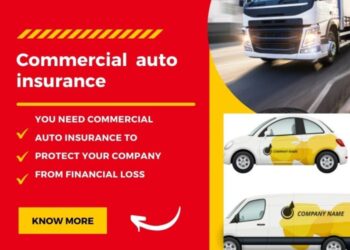
Commercial auto insurance is a type of insurance policy that provides coverage for vehicles used for business purposes. This includes cars, trucks, vans, and other vehicles that are owned or operated by a business entity. It is essential for businesses that rely on vehicles to conduct their operations to have commercial auto insurance to protect against financial losses in case of accidents or other unforeseen events.
Key Components of a Commercial Auto Policy
- Liability Coverage: This component provides protection in case the insured is at fault in an accident and causes injury or property damage to others.
- Physical Damage Coverage: This covers damage to the insured vehicle caused by collisions, vandalism, theft, or other incidents.
- Uninsured/Underinsured Motorist Coverage: This protects the insured if they are involved in an accident with a driver who has insufficient or no insurance coverage.
- Medical Payments Coverage: This component covers medical expenses for the insured and passengers in the insured vehicle in case of an accident, regardless of fault.
- Comprehensive Coverage: This covers damages to the insured vehicle that are not related to collisions, such as fire, theft, or natural disasters.
Factors to Consider When Building a Reliable Policy Portfolio
When building a reliable commercial auto policy portfolio, there are several key factors to consider to ensure adequate coverage for your vehicles. Understanding the types of vehicles that need coverage, how coverage limits are determined, and the role of deductibles in commercial auto insurance is crucial for a comprehensive policy.
Types of Vehicles Requiring Coverage
- Commercial Trucks: These include delivery trucks, dump trucks, tow trucks, and tractor-trailers used for business purposes.
- Company Cars: Vehicles owned or leased by a business and used for work-related activities.
- Vans and SUVs: Often used by businesses for transporting goods, equipment, or employees.
- Specialized Vehicles: Such as food trucks, ice cream trucks, or mobile businesses that require unique coverage.
Determining Coverage Limits
Commercial auto insurance policies typically have coverage limits that determine the maximum amount the insurance company will pay for a covered claim. These limits are often based on state requirements, the value of your vehicles, and the level of risk associated with your business operations.
It’s crucial to assess your business’s needs and potential risks to determine appropriate coverage limits.
Role of Deductibles
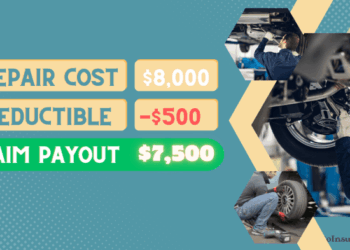
Deductibles in commercial auto insurance refer to the amount you must pay out of pocket before your insurance coverage kicks in. Higher deductibles usually result in lower premiums, while lower deductibles lead to higher premiums.
Choosing the right deductible amount is a balancing act between saving on premiums and ensuring you can afford the out-of-pocket costs in case of a claim.
Customizing Policies to Meet Business Needs
When it comes to commercial auto insurance, businesses have the flexibility to customize their policies to suit their specific needs and industry risks. By adding optional coverages and endorsements, businesses can enhance their policy coverage and protection.
Optional Coverages to Enhance a Commercial Auto Policy
Optional coverages can be added to a commercial auto policy to provide additional protection beyond the standard coverage. Some examples of optional coverages include:
- Collision Coverage: This coverage helps pay for repairs to the insured vehicle in the event of a collision with another vehicle or object.
- Comprehensive Coverage: Provides coverage for damage to the insured vehicle from incidents other than collisions, such as theft, vandalism, or natural disasters.
- Rental Reimbursement: Covers the cost of a rental vehicle while the insured vehicle is being repaired due to a covered claim.
- Roadside Assistance: Offers services like towing, tire changes, and jump-starts in case of a breakdown.
Tailoring Policies to Specific Industry Risks
Businesses can tailor their commercial auto insurance policies to address the specific risks associated with their industry. For example, a construction company may need coverage for tools and equipment carried in their vehicles, while a food delivery service may require coverage for food spoilage in case of an accident.
Adding Endorsements or Riders to a Commercial Auto Policy
Businesses can further customize their policies by adding endorsements or riders, which are additional coverages that can be attached to the base policy. This allows businesses to tailor their coverage to meet their unique needs. Some common endorsements include:
- Hired and Non-Owned Auto Liability: Extends coverage to vehicles leased, hired, rented, or owned by employees for business use.
- Additional Insured: Adds another party as an insured under the policy, providing coverage for specific individuals or entities.
- Waiver of Depreciation: Ensures that the insured vehicle will be repaired or replaced without deducting for depreciation in case of a covered claim.
Ensuring Compliance and Risk Management
When it comes to building a commercial auto policy portfolio, businesses must ensure compliance with regulatory requirements and effectively manage risks associated with commercial vehicles.
Regulatory Requirements
- Businesses need to comply with state and federal regulations governing commercial vehicles, including licensing, insurance coverage, and vehicle safety standards.
- It is essential to stay updated on any changes in regulations to avoid penalties or fines.
- Regular audits and inspections can help ensure compliance with all necessary requirements.
Risk Management Strategies
- Implementing driver training programs to enhance safety and reduce the risk of accidents.
- Regular maintenance and inspection of commercial vehicles to prevent breakdowns and accidents.
- Investing in telematics technology to monitor driver behavior and vehicle performance.
Ensuring Safety Compliance
- Developing a safety policy that Artikels procedures for safe driving practices and maintenance of commercial vehicles.
- Conducting regular safety meetings and training sessions to educate drivers on safety protocols.
- Keeping detailed records of vehicle maintenance and driver training to demonstrate compliance with safety standards.
Final Conclusion
In conclusion, establishing a reliable commercial auto policy portfolio is crucial for businesses looking to safeguard their vehicles and mitigate potential risks. By customizing policies to meet specific needs and ensuring compliance with safety standards, businesses can navigate the complex landscape of commercial auto insurance with confidence.
Essential FAQs
What factors determine coverage limits in a commercial auto policy?
Coverage limits in a commercial auto policy are usually determined by the value of the vehicles being insured and the level of risk associated with their use.
How can businesses tailor their policies to specific industry risks?
Businesses can tailor their policies by adding optional coverages that address industry-specific risks, such as cargo insurance for transportation companies.
What are endorsements or riders in a commercial auto policy?
Endorsements or riders are additional coverages that can be added to a standard policy to provide extra protection for specific situations, like rental reimbursement or roadside assistance.