
With Car and House Insurance Quotes: Bundle & Save Big at the forefront, readers are invited to explore the benefits of bundling car and house insurance in a captivating manner. Discover how you can save big while getting the coverage you need.
Delve into the key factors to consider, the process of obtaining insurance quotes, and understanding coverage options for bundled policies. Get ready to make informed decisions for your insurance needs.
Importance of Bundling Car and House Insurance
When it comes to insurance, bundling your car and house policies can offer numerous benefits that go beyond just convenience. Bundling allows you to combine both policies under one provider, simplifying your payments and paperwork. But the advantages extend beyond organizational ease.
Cost Savings
Bundling your car and house insurance can lead to significant cost savings. Insurance companies often offer discounts when you purchase multiple policies from them. These discounts can vary, but they typically result in a lower overall premium compared to buying separate policies from different providers.
Additional Coverage and Discounts
In addition to cost savings, bundling car and house insurance can also provide you with additional coverage options. Some insurance companies offer special packages for bundled policies, which may include extra protection for both your vehicle and home. Moreover, you may qualify for loyalty discounts or other incentives for choosing to bundle your insurance policies together.
Factors to Consider When Bundling Insurance Policies
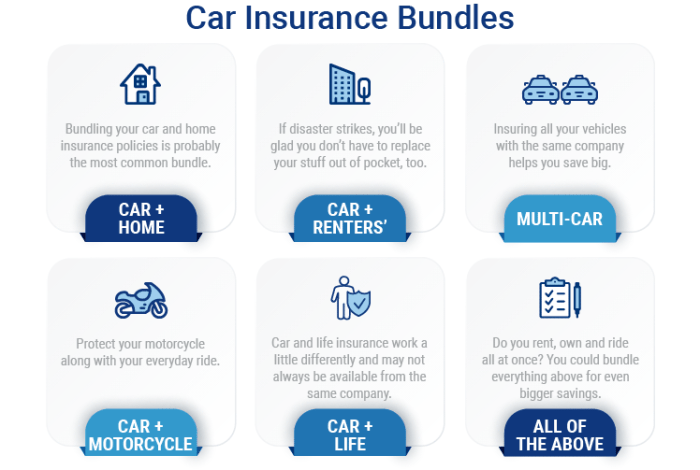
When considering bundling car and house insurance policies, there are several key factors to keep in mind to ensure you are making the right decision for your individual needs. By bundling, you can potentially save money and simplify your insurance management, but it’s important to weigh the following factors before making a decision.
Coverage Limits
When bundling car and house insurance, it’s essential to understand how coverage limits may differ compared to purchasing separate policies. Bundling can sometimes lead to higher coverage limits for certain types of claims, providing you with more comprehensive protection. However, it’s crucial to review the specifics of each policy to ensure that your coverage needs are adequately met.
- Consider the coverage limits for different types of risks, such as liability, property damage, and personal belongings.
- Compare the coverage options available when bundling policies versus purchasing them individually.
- Evaluate any potential gaps in coverage that may arise from bundling, and determine if additional endorsements or riders are needed.
Determining the Right Choice
To determine if bundling car and house insurance is the right choice for you, it’s important to assess your individual needs and circumstances. Consider factors such as your budget, risk tolerance, and overall insurance goals to make an informed decision.
Take into account the potential savings from bundling versus the convenience of managing separate policies.
- Review your current insurance coverage and assess if bundling would provide better value and coverage.
- Consult with your insurance provider to discuss the benefits and limitations of bundling in your specific situation.
- Consider any discounts or incentives offered by insurance companies for bundling policies, and compare quotes to determine the most cost-effective option.
Process of Obtaining Insurance Quotes for Bundled Policies

When seeking insurance quotes for bundled car and house insurance policies, there are specific steps to follow in order to ensure you receive accurate and competitive offers.
Information Needed for Requesting Quotes
- Personal Information: You will need to provide details such as your name, address, contact information, and possibly your social security number.
- Vehicle Details: Information about your car, including make, model, year, and mileage.
- Home Details: Specifics about your house, such as square footage, construction material, and safety features.
- Prior Insurance History: Any past insurance claims or coverage details that may impact your new policy.
Comparing Quotes from Different Providers
- Request Multiple Quotes: Reach out to different insurance companies to obtain a variety of offers.
- Review Coverage Options: Ensure you are comparing similar coverage levels and deductibles to make a fair assessment.
- Consider Discounts: Look for bundling discounts, loyalty rewards, or other incentives that may lower your overall costs.
- Check Customer Reviews: Research the reputation and customer service of each insurance provider before making a decision.
Understanding Coverage Options in Bundled Policies
When it comes to bundled car and house insurance policies, it is essential to understand the coverage options available to ensure that you are adequately protected in case of any unforeseen events. Reviewing the coverage details before finalizing a policy is crucial to avoid any surprises later on.
Here are some tips on customizing coverage options to suit your specific needs:
Types of Coverage Options
- Property Coverage: This includes coverage for damages to your home and personal belongings in case of theft, fire, or other covered events.
- Liability Coverage: This provides protection in case someone is injured on your property or if you cause damage to someone else’s property.
- Personal Property Coverage: This covers your personal belongings, such as furniture, clothing, and electronics, in case of damage or theft.
- Medical Payments Coverage: This covers medical expenses for anyone injured on your property, regardless of who is at fault.
- Loss of Use Coverage: This provides coverage for additional living expenses if you are unable to live in your home due to a covered event.
Reviewing Coverage Details
It is important to carefully review the coverage details of your bundled policy to ensure that you are adequately protected. Make sure to understand what is covered and what is not, as well as any limits or exclusions that may apply.
Consider your specific needs and adjust the coverage options accordingly to ensure that you have the right level of protection.
Customizing Coverage Options
- Assess Your Risks: Identify potential risks and tailor your coverage options to address those specific risks.
- Consider Deductibles: Adjusting deductibles can help lower your premiums, but make sure you can afford the out-of-pocket expenses in case of a claim.
- Add Endorsements: Consider adding endorsements or riders to your policy to enhance coverage for specific items or events not included in standard policies.
- Consult with an Agent: Seek guidance from an insurance agent to help you understand your options and make informed decisions about your coverage.
Final Summary
In conclusion, bundling your car and house insurance can lead to significant savings and added benefits. By customizing your coverage options and comparing quotes, you can ensure you’re getting the best value for your insurance needs. Take the first step towards saving big today!
FAQ Overview
What are the benefits of bundling car and house insurance?
Bundling can lead to cost savings, convenience of managing policies under one provider, and possible discounts on premiums.
How do coverage limits differ when bundling policies?
Coverage limits may be adjusted to accommodate both car and house insurance needs, ensuring adequate protection across both policies.
What information is needed to request accurate insurance quotes for bundled policies?
You may need details such as the type of vehicles, value of your house, driving records, and other relevant personal information to obtain accurate quotes.
Why is it important to review coverage details before finalizing a bundled policy?
Reviewing coverage details ensures that you understand what is included in your policy, helping you tailor it to your specific needs and avoid any surprises in the future.
How can coverage options be customized to suit specific needs in bundled policies?
Insurance providers often allow policyholders to tailor coverage options by adding or removing specific features to align with their individual requirements.