
When it comes to deciding between window replacement and repair, the question of cost-effectiveness often arises. Let’s delve into the factors that influence this decision and explore the various aspects that contribute to making the right choice for your windows.
Factors Influencing Cost
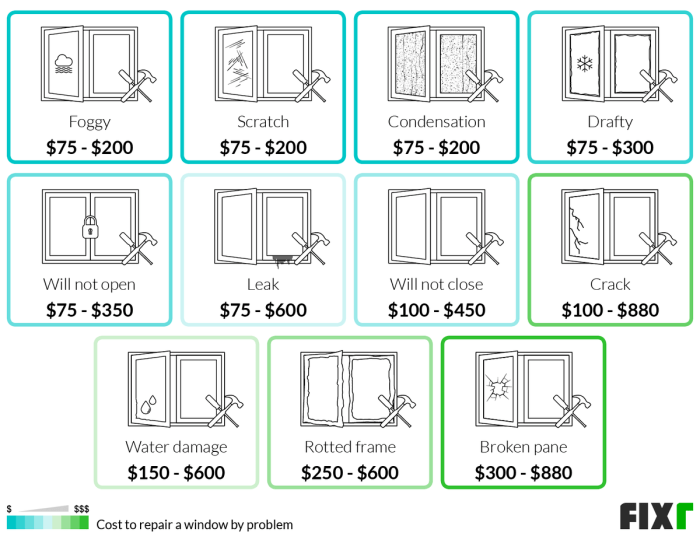
When considering the cost of window replacement versus repair, several key factors come into play. Let’s break down the main elements that influence the overall cost of each option.
Materials and Labor Costs
When opting for window replacement, the cost is primarily determined by the materials used and the labor involved in the installation process. High-quality materials such as energy-efficient glass or custom frames can significantly increase the overall cost. Similarly, the labor costs associated with removing old windows, installing new ones, and ensuring proper insulation can add up quickly.On the other hand, window repair costs are typically lower as they involve fixing specific issues like broken glass, damaged frames, or faulty hardware.
The cost of materials for repairs is generally lower compared to full replacement, and the labor involved is usually less intensive.In the short term, window repair is often more cost-effective as it addresses specific issues without the need for a complete replacement.
However, in the long run, repeated repairs may end up costing more than a one-time investment in window replacement. It’s essential to weigh the upfront costs against potential future expenses to determine the most cost-effective solution for your specific situation.
Environmental Impact
When it comes to the environmental impact of window replacement versus repair, there are important considerations to be made in terms of sustainability and energy efficiency. Both options have their own implications on the environment, and the choice between the two can significantly affect the overall eco-friendliness of your home.
Contributions to Sustainability
- Window Repair: Repairing windows instead of replacing them helps to reduce waste by extending the lifespan of the existing materials. This contributes to a more sustainable approach by minimizing the need for new resources and reducing the amount of old materials that end up in landfills.
- Window Replacement: While replacing windows may involve the use of new materials, modern replacement windows are designed to be more energy-efficient. This can lead to reduced energy consumption in the long run, promoting sustainability by decreasing the overall carbon footprint of the building.
Energy Efficiency
- Window Repair: When windows are repaired, they can be upgraded with features such as weather stripping, caulking, or new glass panes to improve energy efficiency. This helps to prevent air leakage and reduce the need for heating or cooling, ultimately lowering energy consumption.
- Window Replacement: New replacement windows often come with advanced technologies like low-E coatings, multiple panes, and insulated frames that enhance energy efficiency. These features help to maintain indoor temperatures, reduce reliance on HVAC systems, and lower energy bills.
Eco-Friendly Materials
- Window Repair: Eco-friendly materials used in window repair may include salvaged glass, reclaimed wood, or recycled aluminum frames. These sustainable options help to minimize environmental impact and support a circular economy by repurposing existing materials.
- Window Replacement: Energy-efficient replacement windows are often made from environmentally friendly materials such as fiberglass, vinyl, or wood sourced from sustainable forests. These materials are durable, recyclable, and contribute to overall energy savings in the long term.
Durability and Longevity
When it comes to deciding between window replacement and repair, considering the durability and longevity of the windows is crucial. Let’s delve into the comparison.
Replaced Windows
Replacing windows with new ones typically offers a longer lifespan compared to repaired windows. High-quality replacement windows can last anywhere from 15 to 30 years or more, depending on the material and maintenance practices. Proper installation is also key to maximizing the longevity of replaced windows.
Repaired Windows
On the other hand, repaired windows may not have the same lifespan as replaced ones. The longevity of repaired windows largely depends on the extent of the repairs and the quality of materials used. In general, repaired windows may last around 5 to 10 years before needing further attention or replacement.
Maintenance Practices Impact
Regular maintenance plays a significant role in extending the lifespan of windows, whether they are replaced or repaired. Simple tasks such as cleaning, lubricating hinges, and inspecting for damage can help prevent premature wear and tear. Neglecting maintenance can shorten the lifespan of windows, regardless of whether they have been replaced or repaired.
Aesthetics and Property Value
When it comes to enhancing the aesthetics of a property, the choice between window replacement and repair can play a significant role. The windows of a house are not only functional but also contribute to its overall visual appeal. Let’s delve into how each option can impact the property value and curb appeal.
Enhancing Aesthetics
Window replacement offers the opportunity to upgrade to newer, more stylish designs that can completely transform the look of a property. Modern windows with sleek frames, larger glass panes, and unique shapes can give a house a contemporary and attractive appearance.
On the other hand, window repair can also improve aesthetics by fixing any damages or issues with the existing windows, restoring them to their former beauty.
Impact on Property Value
Investing in window replacement can positively impact the property value by enhancing its overall appeal and energy efficiency. Potential buyers are often willing to pay more for a house with updated, high-quality windows. On the contrary, neglecting window maintenance or opting for temporary repairs can lower the property value, as it may give the impression of poor upkeep.
Examples of Window Designs
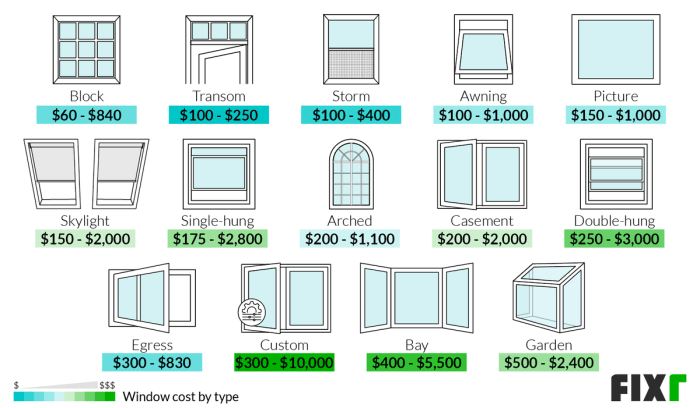
- Double-Hung Windows: Classic and versatile, these windows offer a timeless look suitable for various architectural styles.
- Bay or Bow Windows: These protruding windows add depth and charm to a home’s exterior, creating a focal point.
- Casement Windows: Known for their clean lines and unobstructed views, these windows provide a modern and elegant touch.
Concluding Remarks
In conclusion, weighing the costs and benefits of window replacement versus repair is crucial in determining the most cost-effective solution for your home. By considering factors like durability, aesthetics, and environmental impact, you can make an informed decision that enhances both your living space and your budget.
FAQs
Is it better to replace or repair windows for cost-effectiveness?
It depends on the extent of damage and the overall condition of the windows. In some cases, repair may be a more cost-effective option, while in others, replacement could save you money in the long run. Consulting with a professional can help you make the best decision.
Do energy-efficient windows impact cost-effectiveness?
Yes, investing in energy-efficient windows can lead to long-term cost savings on energy bills, making them a cost-effective choice over time despite the initial investment being higher.
How do maintenance practices affect the cost-effectiveness of windows?
Regular maintenance can prolong the lifespan of windows, reducing the need for costly repairs or replacements. By investing in upkeep, you can enhance the cost-effectiveness of your windows in the long term.